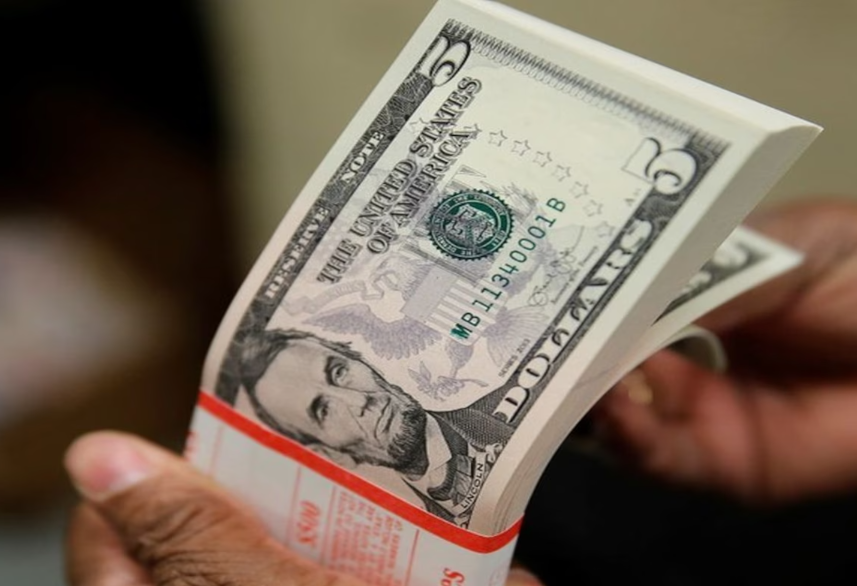
On June 19, 2026, the Nigerian naira demonstrated relative stability against the US dollar, trading firmly within established ranges in both official and parallel markets. This steadiness comes after a period of volatility earlier in the year, as Nigeria wrestled with inflation and foreign exchange constraints exacerbated by global economic pressures.
The Central Bank of Nigeria's recent interventions aimed at bolstering the naira appear to be yielding short-term benefits. Stakeholders are cautiously optimistic, with Chuka Nwosu, an economist at the Nigerian Economic Institute, stating, "The current exchange rate stability reflects the central bank's commitment to managing inflation and restoring investor confidence." This sentiment highlights the delicate balance authorities must maintain to support economic growth while addressing currency pressures.
Looking ahead, analysts suggest that continued stability will depend on global oil prices and foreign investment flows, which are critical for Nigeria's economy. The ongoing efforts by the central bank will be scrutinized as stakeholders watch for signs of sustainability in the naira's performance amidst fluctuating international markets.