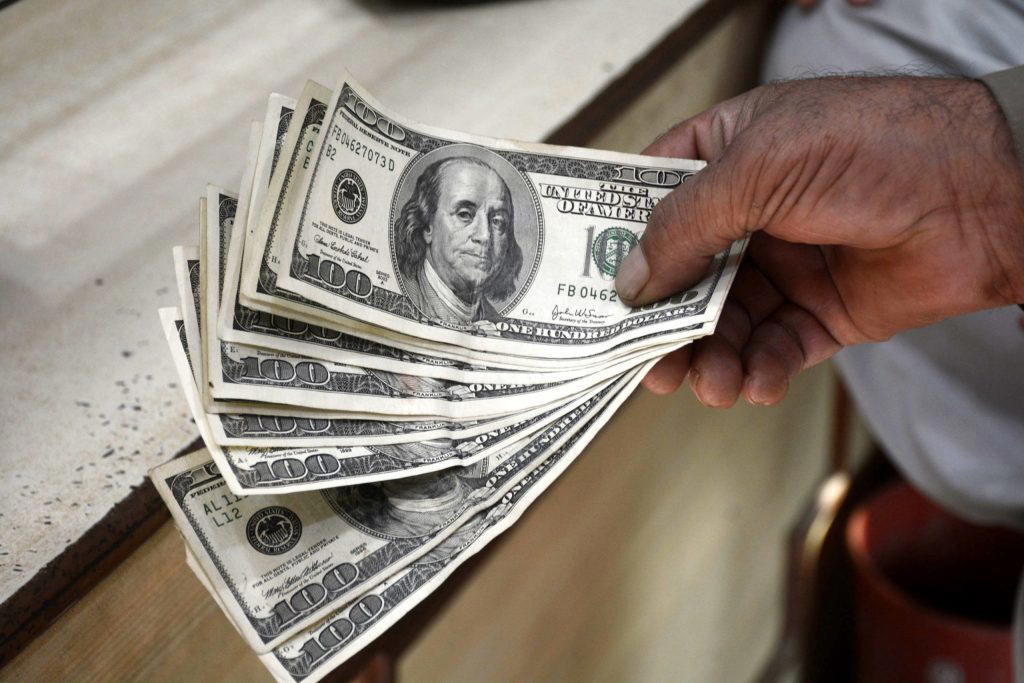
On June 15, 2026, the Nigerian naira demonstrated notable stability against the US dollar, reflecting ongoing efforts by the Central Bank of Nigeria to manage foreign exchange pressures. The official rate on the Nigerian Foreign Exchange Market (NFEM) remained steady, while the parallel market exhibited similar trends, indicating a temporary equilibrium in currency trading.
Recent measures, including increased foreign reserves and tighter controls on currency speculation, have contributed to this stability. However, economic analysts remain cautious as inflationary pressures and global market fluctuations loom. According to Dr. Ngozi Okonjo-Iweala, former Finance Minister and current World Trade Organization Director-General, "While the naira's stability is encouraging, it is crucial for policymakers to remain vigilant and responsive to external shocks that could disrupt this balance."
Looking ahead, the naira's performance will heavily depend on the government's ability to implement sustainable economic reforms and address structural issues such as power supply and infrastructure. Continued monitoring of international oil prices and geopolitical developments will also play a significant role in shaping the currency's trajectory in the coming months.

