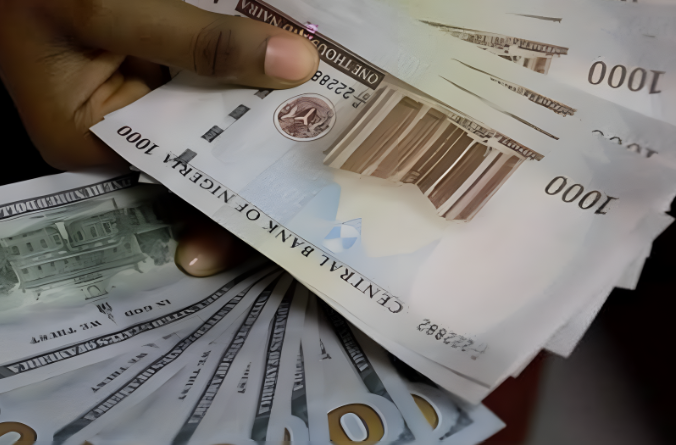
On June 10, 2026, the Nigerian naira showed relative stability against the United States dollar, a noteworthy development amidst ongoing economic challenges. Both the official Nigerian Foreign Exchange Market (NFEM) and the parallel market reflected similar exchange rates, indicating a cautious optimism among market participants. This stability comes as Nigeria grapples with inflationary pressures and fluctuating oil prices, which significantly impact foreign exchange liquidity.
Stakeholders are closely monitoring these trends, as the Central Bank of Nigeria continues to implement measures aimed at bolstering foreign exchange reserves. "The current stability is a positive sign, but we must remain vigilant about external factors that could disrupt this equilibrium," stated Victor Ibe, an economist at the Nigerian Economic Research Institute. His remarks underscore the fragile nature of the currency's position.
Looking ahead, the sustainability of the naira's stability hinges on Nigeria's ability to enhance foreign investments and manage inflation effectively. With global economic conditions still uncertain, the coming weeks will be critical for the naira's trajectory. Investors will be watching closely for any shifts that could signal a change in this equilibrium.