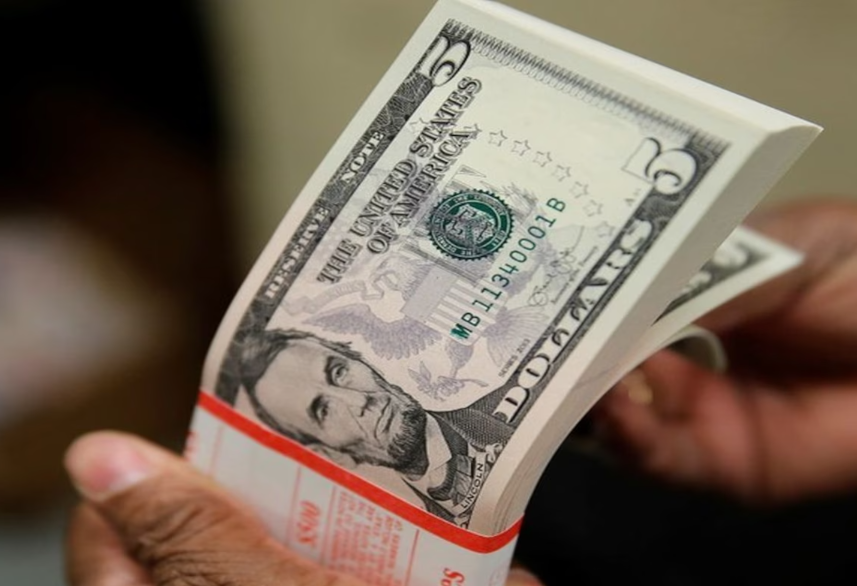
On July 10, 2026, the Nigerian naira demonstrated relative stability against the United States dollar, a reflection of ongoing efforts to manage foreign exchange liquidity amid fluctuating demand. Both the official Nigerian Foreign Exchange Market (NFEM) and the parallel market reported minimal changes, suggesting a cautiously optimistic outlook among traders.
Key developments include the Central Bank of Nigeria's ongoing interventions aimed at bolstering the naira and addressing the pressures stemming from high import bills and reduced foreign investment. The central bank's policies have been under scrutiny as stakeholders seek a balance between supporting local industries and maintaining a manageable exchange rate. "The market is responding to the central bank's measures, but sustainability remains a concern," noted Adebayo Ogunleye, an economic analyst.
Looking ahead, the stability of the naira will depend heavily on external factors such as global oil prices and the geopolitical landscape, alongside domestic economic reforms. Traders will likely continue to keep a close eye on government policies and market sentiment, as these will shape the naira's performance in the coming weeks.