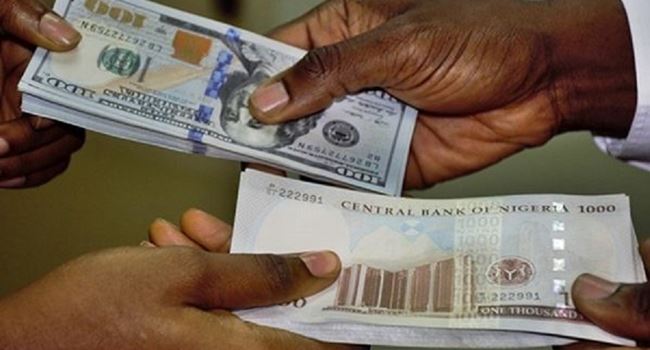
On April 30, 2026, the Nigerian Naira showed resilience in its exchange rate against the United States Dollar, maintaining stability in both official and informal markets. This steadiness comes amidst ongoing economic reforms aimed at bolstering Nigeria's currency and attracting foreign investments. Recent efforts by the Central Bank of Nigeria to regulate the forex market have contributed to this equilibrium, signaling a cautious optimism among traders and economists alike.
"Stability in the Naira is crucial for our economic recovery,” stated Dr. Amina Bello, an economist at the Nigerian Economic Summit Group. “It will encourage more foreign direct investment and reduce inflationary pressures.” This perspective encapsulates the broader sentiment among stakeholders who recognize the Naira’s performance as a vital indicator of Nigeria's economic health.
Looking ahead, the sustainability of this exchange rate will depend on several factors, including global oil prices, domestic production capabilities, and the effectiveness of government policies. As Nigeria navigates these complexities, all eyes will be on the currency markets to see if the Naira can maintain its current trajectory, which many believe is pivotal for the nation’s long-term economic stability.


