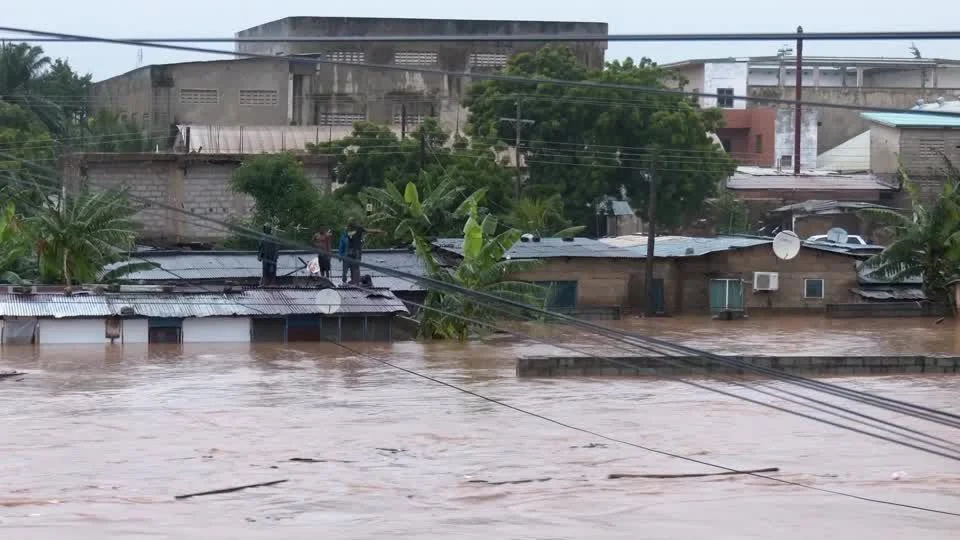
The recent flooding in Ghana's capital has escalated into a humanitarian crisis, with the death toll now reaching 12, according to emergency services. This disaster, which has paralyzed much of Accra, has sparked outrage over the government's inadequate response and preparedness for such events.
Ghana's National Disaster Management Organization (NADMO) reported that heavy rains overwhelmed drainage systems, leading to widespread devastation. "We sincerely apologize to the affected families and assure them that we are doing everything possible to provide support," stated Dr. Ibrahim Mohammed Awal, Minister of Tourism, Arts, and Culture. His comments reflect the growing concern among citizens about the effectiveness of disaster management strategies in a country increasingly vulnerable to climate change.
As the government faces mounting criticism, it must reassess its infrastructure and emergency response protocols to prevent future tragedies. The need for sustainable urban planning has never been more urgent, as climate-related disasters become more frequent. Moving forward, proactive measures and investment in resilient infrastructure will be crucial to safeguard lives and communities across Ghana.
