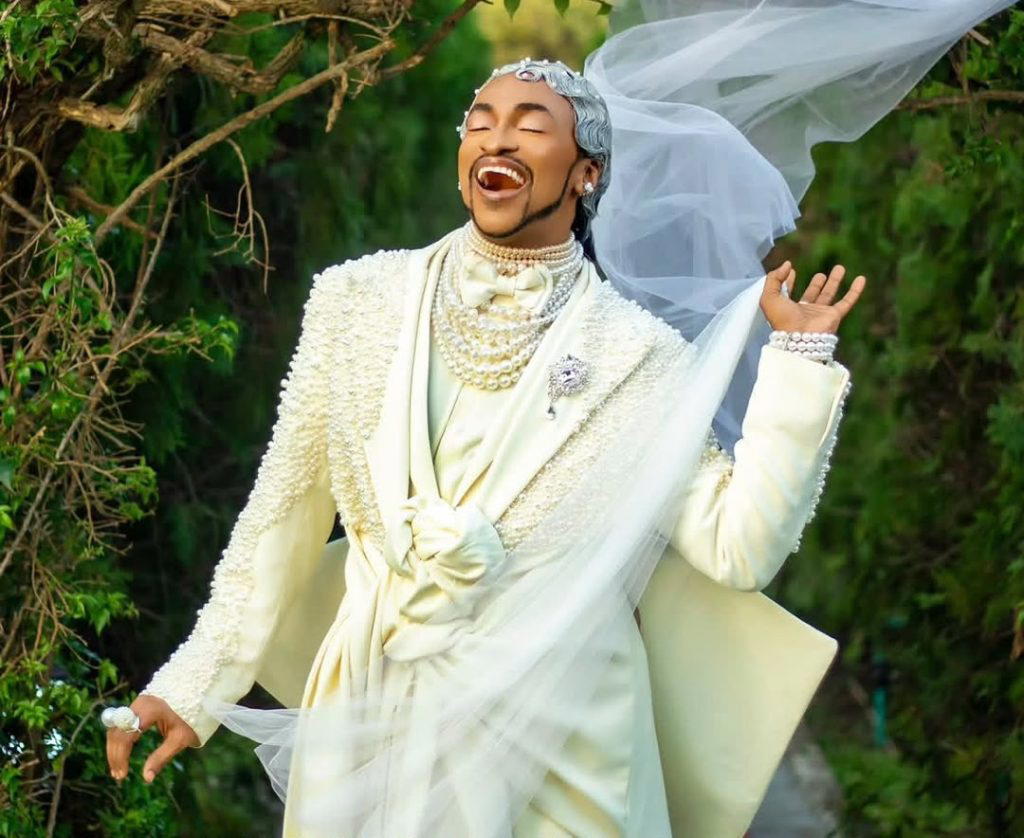
The recent remand of Chidiebere Justice Mark, popularly known as Justice Crack, highlights the growing tensions between civil society and military authorities in Nigeria. A Federal High Court has ordered his detention in the custody of the Department of State Services (DSS) following the circulation of a controversial video that allegedly exposes the military's feeding practices. This incident raises questions about transparency and accountability within the armed forces.
Justice Crack's video, which quickly went viral, has sparked outrage among various sectors, prompting a swift judicial response. Critics argue that the government's actions reflect an attempt to stifle dissent and control narratives surrounding military operations. "We must hold our military accountable for their actions, and the public deserves to know the truth," stated Amina Yusuf, a prominent human rights advocate.
As the case unfolds, it serves as a litmus test for Nigeria’s commitment to freedom of expression and the role of the judiciary in protecting civil rights. The outcome could set a precedent for future cases involving media and military interactions, making it imperative for stakeholders to remain vigilant and engaged in this evolving landscape.