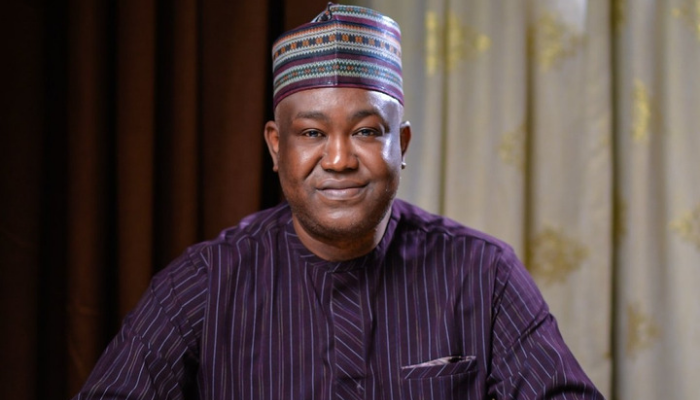
A recent court ruling has led to the temporary forfeiture of nine properties linked to Timipre Sylva, a former minister and key political figure in Nigeria. This action is part of a wider investigation into his alleged role in a failed coup plot against President Bola Tinubu last year, raising significant questions about political stability in the region.
The properties, now subject to forfeiture, underscore the ongoing scrutiny surrounding Sylva amid allegations that threaten to destabilize his political career. This legal move follows a series of investigations by the Economic and Financial Crimes Commission, which has heightened concerns about the integrity of political actors in Nigeria. As Sylva’s attorney stated, “We are committed to proving his innocence and will contest this ruling vigorously.”
The implications of this court ruling extend beyond Sylva, potentially influencing public trust in government institutions and the rule of law. As the investigation unfolds, it remains to be seen how this will affect the political landscape, particularly as the country prepares for upcoming elections. The situation serves as a reminder of the intricate relationship between politics and accountability in Nigeria.