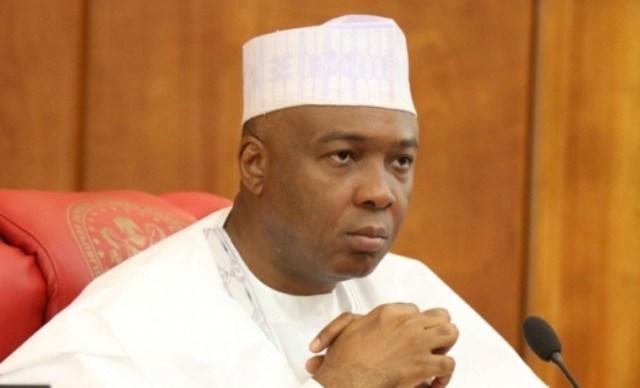
A Kwara High Court's recent decision to dismiss a preliminary objection filed by former Senate President Dr. Bukola Saraki marks a significant moment in Nigerian politics, as it sets the stage for his upcoming arraignment in a defamation suit. The case, brought forward by the Kwara State government, centers on allegations that Saraki made disparaging remarks regarding the state's administration, potentially undermining its credibility.
Following the court ruling, Saraki's legal team expressed disappointment, arguing that the suit is politically motivated. "We believe this is an attempt to silence dissent in our democracy," said one of Saraki's lawyers. The implications of this case extend beyond Saraki, as it raises questions about freedom of speech and political accountability in Nigeria.
As the arraignment approaches, observers will be keenly watching how this legal battle unfolds, particularly in the context of the 2027 general elections. The outcome may influence not only Saraki's political future but also the broader landscape of political discourse in Nigeria, potentially shaping how public figures engage with state institutions moving forward.