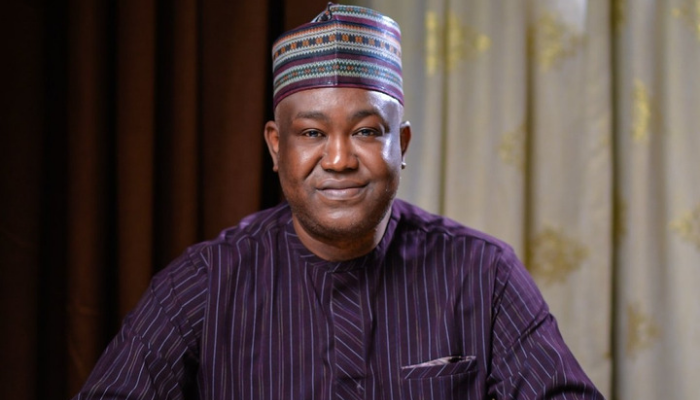
In a significant legal development, a Federal High Court has ordered the interim forfeiture of nine properties linked to Timipre Sylva, Nigeria's former petroleum minister, amid allegations of fraud. This ruling underscores the persistent issues of corruption that plague Nigeria's political landscape, raising questions about accountability within the nation’s leadership.
Sylva's properties, reportedly acquired under suspicious circumstances, have drawn the attention of law enforcement and anti-corruption agencies. The court's decision reflects growing public and judicial impatience with corruption, which has long hindered Nigeria's economic progress. "This is a crucial step in our fight against corruption. We must ensure that public officials are held accountable for their actions," stated Ibrahim Magu, acting chairman of the Economic and Financial Crimes Commission (EFCC).
As the legal proceedings unfold, this case may serve as a litmus test for the current administration's commitment to tackling corruption. It also signals to the public that the judiciary can act independently to rein in corrupt practices, potentially restoring faith in Nigeria’s democratic institutions. The outcome could pave the way for broader reforms in governance and accountability.