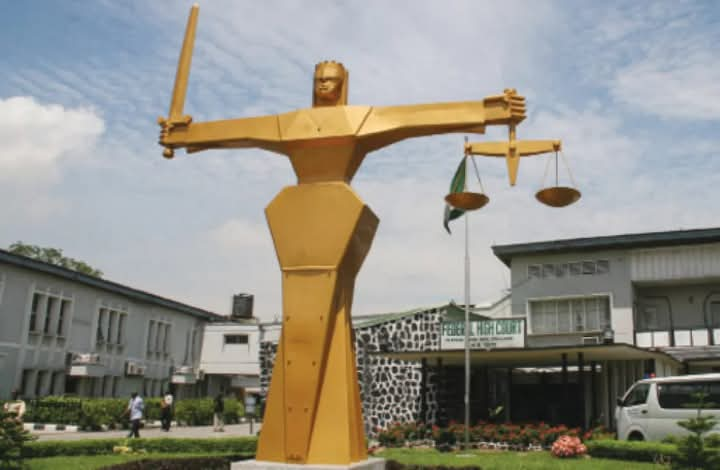
The Federal High Court's decision to accelerate proceedings in the case brought by Sen. Adolphus Wabara and the Kabir Turaki faction of the People's Democratic Party (PDP) against the Independent National Electoral Commission (INEC) marks a significant moment in Nigeria's political landscape. This suit addresses alleged irregularities in the party's leadership and electoral processes, which have been contentious issues within the PDP.
Wabara has expressed confidence in the legal route, stating, "We are committed to ensuring that the democratic process is upheld and that all voices within the PDP are heard." The court's swift action could indicate the judiciary's recognition of the urgency surrounding electoral disputes as Nigeria prepares for upcoming elections.
As the case unfolds, the implications for both the PDP and INEC are profound. A favorable ruling for the Wabara faction might reshape the party's leadership dynamics and influence its electoral strategy. Conversely, a setback could further entrench divisions within the party. This case exemplifies the intricate relationship between legal frameworks and political maneuvering in Nigeria, with potential ramifications for future electoral integrity.