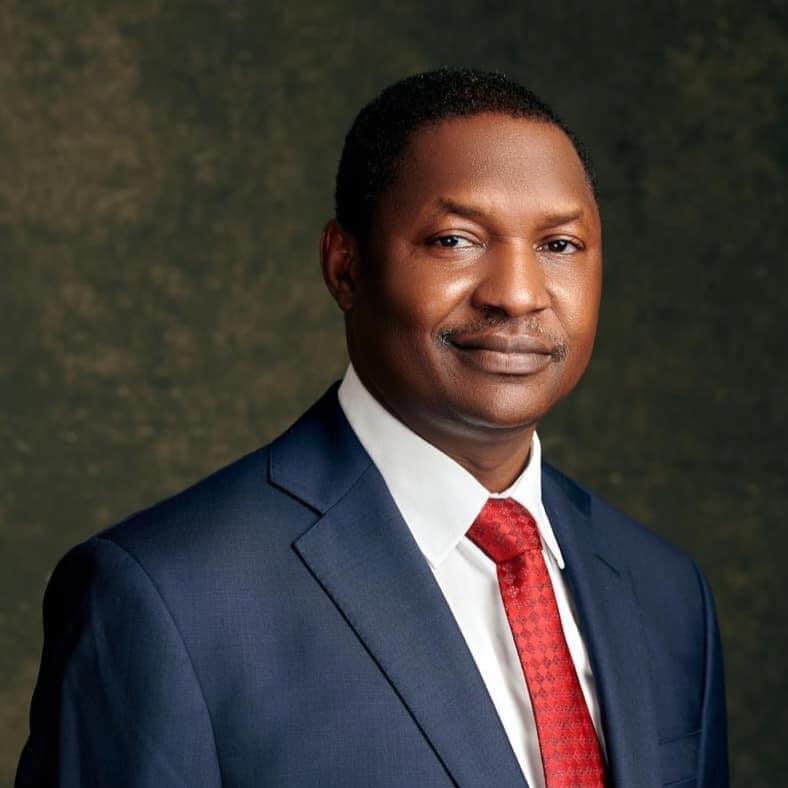
The ongoing legal saga surrounding Attorney General Abubakar Malami's alleged illicit assets took another turn as the court postponed its judgement to July 15. This delay follows the absence of Judge Joyce Abdulmalik, raising questions about the efficiency of the judicial process in handling high-profile corruption cases.
The forfeiture suit, initiated by the Economic and Financial Crimes Commission, aims to seize assets purportedly linked to Malami, a figure often criticized for his controversial stance on anti-corruption measures. The case has sparked significant public interest, reflecting broader concerns about accountability within Nigeria's political elite. "The continued postponements are frustrating, but we remain hopeful for a fair outcome," stated Aisha Mohammed, a legal analyst.
As the rescheduled date approaches, the implications of this case extend beyond Malami. It could signal the judiciary's commitment to addressing corruption at the highest levels of government or reinforce skepticism about its independence. Observers will be watching closely, as the court's decision could either bolster or undermine public trust in Nigeria's legal system.