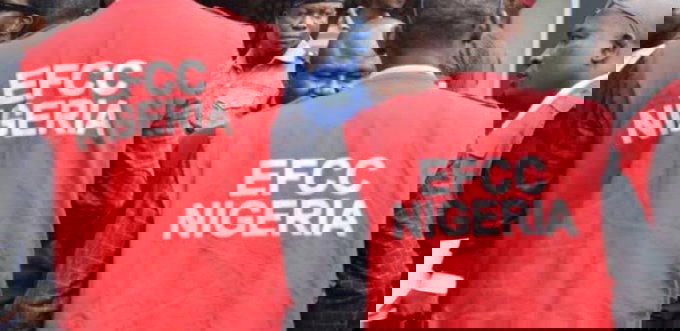
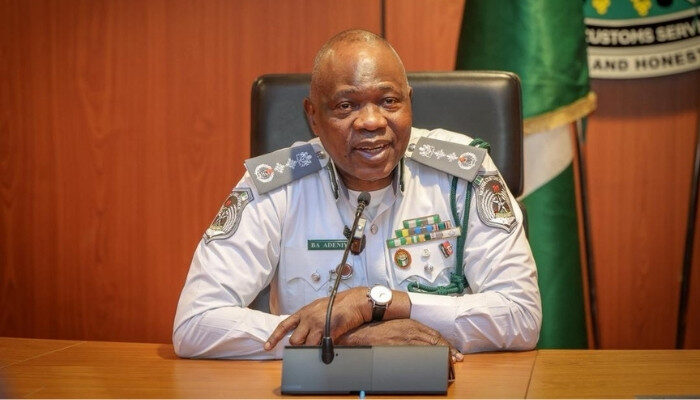
Diezani Alison-Madueke's recent acquittal in a London court has reignited calls for her to confront longstanding corruption allegations back in Nigeria. The former minister of Petroleum Resources, accused of embezzling billions during her tenure, now finds herself at a crossroads between legal vindication abroad and accountability at home.
The London court ruled there was insufficient evidence to support the bribery charges, a decision that her supporters hail as a triumph. However, Nigerian officials, including Transparency International Nigeria’s Executive Director, Auwal Musa Rafsanjani, assert, “Her acquittal does not absolve her from facing justice in Nigeria, where victims of corruption deserve closure.”
As public sentiment grows in favor of accountability, the Nigerian government faces pressure to pursue justice against Alison-Madueke. This situation highlights the complexities of international legal proceedings and domestic accountability. Moving forward, the Nigerian authorities must navigate this delicate terrain to ensure that justice is not just a concept but a reality for those affected by corruption in the oil-rich nation.