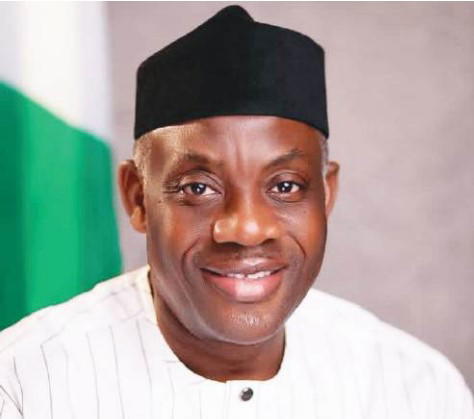
The call for state police in Nigeria has intensified, with Governor Uba Sani highlighting a troubling statistic: one police officer for every 600 citizens. This stark ratio underlines the urgent need for a more localized and responsive law enforcement system, particularly as security challenges escalate across the nation.
For over a decade, Sani has advocated for state police, arguing that it would empower local governance and enhance community safety. “The current federal policing structure is overstretched and inefficient,” he stated. “We need a system that can respond quickly to the unique challenges faced by our states.” This sentiment resonates with many who feel that federal oversight has led to delays in addressing crime and unrest.
As Nigeria grapples with rising insecurity, the push for state police reflects a broader demand for reform in public safety. If successful, Sani's initiative could pave the way for a more decentralized approach to law enforcement, allowing states to tailor their policing strategies to specific local needs. However, this endeavor will require careful consideration of governance, funding, and accountability to ensure it serves the public effectively.