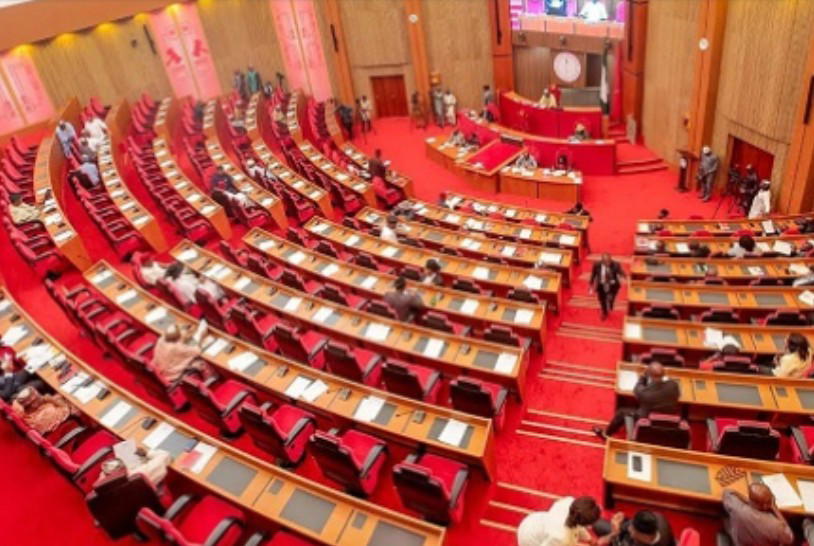
The recent passage of the State Police Bill by the Nigerian Senate marks a pivotal moment in the nation's quest to decentralize policing and enhance internal security. This constitutional amendment aims to empower states to establish their own police services, responding to long-standing calls for localized law enforcement that can address specific regional challenges.
Advocates argue that state police will improve accountability and responsiveness. “This is a historic day for Nigeria. State police will allow us to address our unique security challenges more effectively,” stated Akintola Olatunji, the Chairman of the Senate Committee on Police Affairs. This move comes in the wake of rising insecurity and increasing calls for reform in the nation’s policing system.
With this legislative success, the focus now shifts to implementation. States will need to develop frameworks for governance, recruitment, and funding for their police forces. The effectiveness of state policing could reshape Nigeria's security landscape, fostering a more responsive approach to crime and community safety. However, the success will depend on clear regulations and inter-state cooperation to ensure a cohesive national security strategy.
