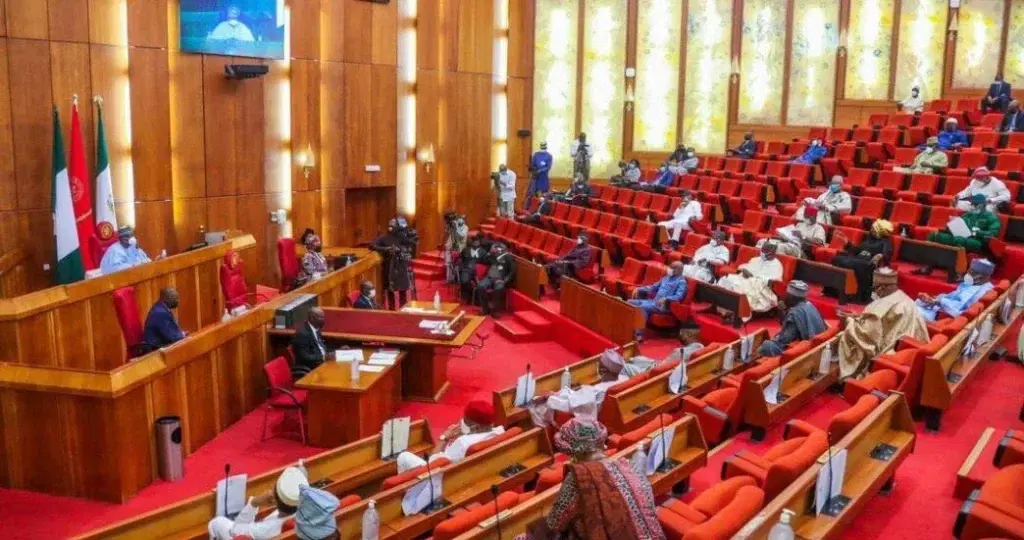
The Nigerian Senate's voting on the constitutional amendment to establish state police marks a significant shift in the nation's security architecture. This critical plenary session, attended by prominent figures like Speaker Femi Gbajabiamila and various governors, reflects growing momentum towards decentralizing police powers amidst rising insecurity.
Historically, the call for state police has been fueled by widespread concerns regarding the effectiveness of federal policing, especially in addressing localized crime. Advocates argue that state police would enhance community safety, allowing for tailored responses to specific regional issues. "Empowering states to manage their own police forces is crucial for our collective security," stated Gbajabiamila, highlighting the urgency of the matter.
As the Senate deliberates, the outcome of this vote could reshape the landscape of governance and law enforcement in Nigeria. If passed, it may not only address the immediate concerns of citizens but also pave the way for a broader discussion on federalism and resource allocation. Stakeholders are watching closely, as the implications of state police could redefine accountability and effectiveness in public safety across the country.