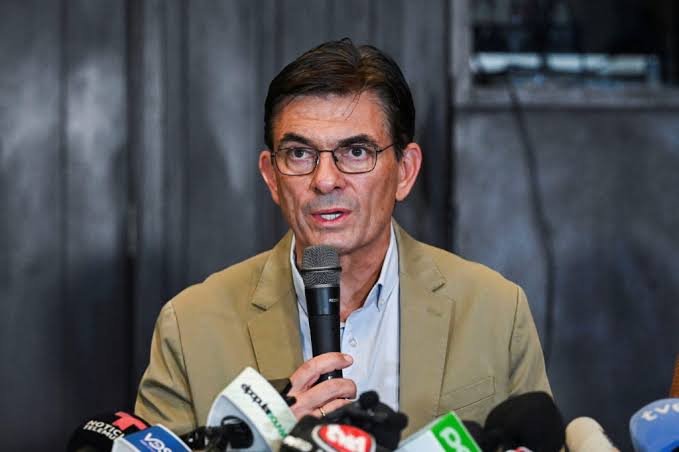
Bolivian President Luis Paz has declared a state of emergency following weeks of escalating protests over his economic policies. The unrest, largely driven by discontent among workers and indigenous groups, prompted Paz to sign an agreement with the Bolivian Workers' Central (COB) to halt the demonstrations. This agreement marks a critical turning point, but tensions remain high as many citizens question the government's commitment to genuine reform.
Protesters have expressed frustration over rising inflation and perceived neglect of basic services. "We need real dialogue, not just temporary solutions," said Juan Carlos, a COB representative. His sentiment reflects the broader skepticism among Bolivians regarding whether the agreement will lead to lasting change or merely serve as a stopgap measure.
As Paz's administration grapples with these challenges, the declared state of emergency underscores the fragility of the political landscape. The government's ability to address the root causes of unrest will be crucial in determining its legitimacy going forward. With public trust waning, the coming weeks will be pivotal in shaping Bolivia's political future and restoring faith in its leadership.

