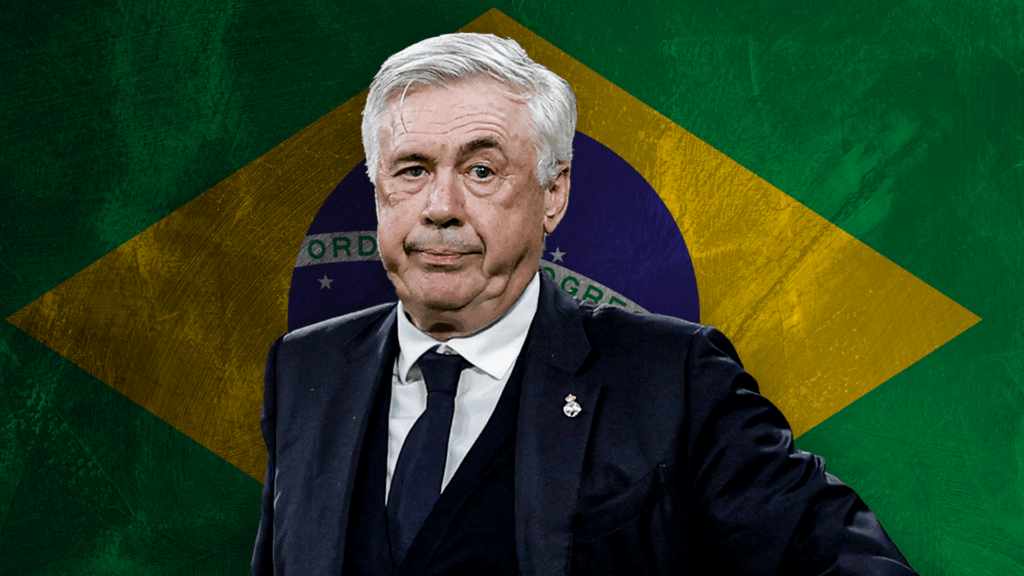
As the FIFA World Cup 2026 kicks off in the U.S., Canada, and Mexico, it not only showcases the world's top football talent but also highlights the financial stakes involved, particularly for coaches. With an expanded format featuring 48 teams, the tournament has attracted lucrative contracts for high-profile managers.
The five highest-paid coaches, including the likes of Pep Guardiola and Didier Deschamps, reflect a growing trend where the financial rewards of managing national teams have surged. The backdrop of increased immigration scrutiny and rising ticket prices has sparked criticism, with many questioning the accessibility of the event. "We must ensure that the beautiful game remains available to fans, not just the affluent," stated Thomas Becker, a sports economist.
As the tournament progresses, the interplay between football's commercialism and its core values will be under scrutiny. The high salaries of coaches serve as a reminder of the sport's evolution into a billion-dollar industry, but they also raise questions about equity and fan engagement. Looking ahead, how FIFA navigates these challenges will influence the sport's legacy and its relationship with the global community.