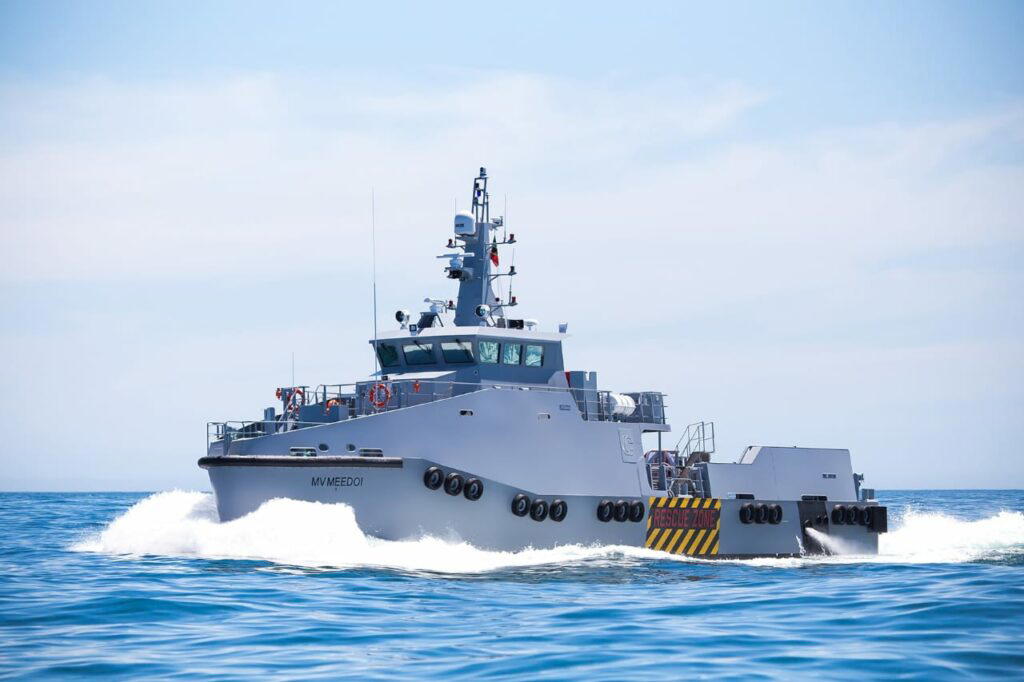
The plight of Nigeria's indigenous sailors has reached a critical juncture, highlighting the urgent need for improved working conditions and welfare. Despite being the backbone of the maritime industry, these seafarers often face harsh realities at sea, with inadequate support from the government. Recent discussions have reignited calls for reform, emphasizing that without a thriving workforce, Nigeria's maritime trade—and, by extension, its economy—will falter.
Stakeholders have voiced their concerns, including Captain Ifeanyi Okeke, president of the Maritime Workers Union, who stated, "We cannot expect our sailors to perform optimally when their basic needs are neglected." This sentiment resonates deeply in an industry that plays a pivotal role in global trade and local job creation.
As Nigeria moves forward, prioritizing the welfare of seafarers will be essential not only for their livelihood but also for the nation's economic resilience. With maritime trade being a cornerstone of Nigeria's economy, addressing these issues could catalyze a more sustainable and prosperous future for both sailors and the broader maritime sector. The time for action is now, ensuring that support translates into tangible improvements at sea.