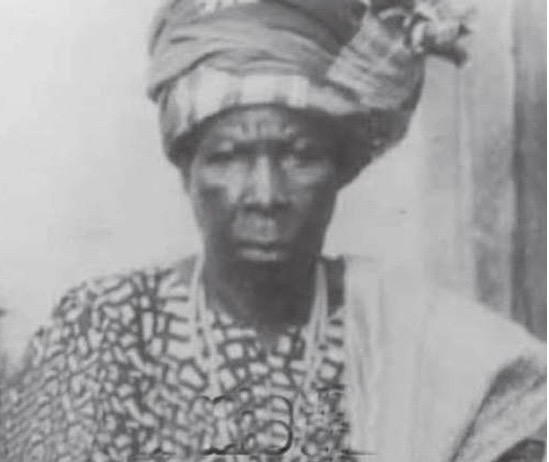
Ahebi Ugbabe's rise from a life of prostitution to the throne of a colonial Igbo community exemplifies the intricate interplay of gender, power, and resilience in African history. In the early 20th century, Ugbabe challenged societal norms, becoming a leader in a time when women's roles were largely confined to the domestic sphere. Her ascent not only disrupted traditional gender roles but also redefined authority within her community, illustrating the complexities of colonial influences on indigenous structures.
Historical accounts indicate that Ugbabe utilized her influence and wealth gained from her previous life to assert her power, ultimately being recognized as a king. As Dr. Chinyere Okoro, a cultural historian, notes, "Ugbabe's story is a testament to the fluidity of power in African societies, where resilience can carve paths to leadership, even in the most unlikely circumstances."
Looking ahead, Ugbabe's legacy invites a reevaluation of gender dynamics in contemporary African leadership, challenging modern perceptions of authority and inspiring future generations to consider the diverse narratives that shape their histories. Her life stands as a powerful reminder that societal barriers are not always insurmountable.