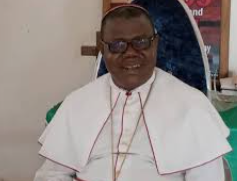
Archbishop Livinus Onuagha's recent call for accountability and the creation of new states in Nigeria underscores a growing frustration among citizens regarding the government’s management of national resources. In a country rich in oil and natural resources, the juxtaposition of vast wealth against widespread poverty has led to increasing disillusionment. Onuagha pointedly remarked, “The government must be held accountable for its failure to translate our national wealth into the welfare of our people.”
This plea comes amid mounting criticisms of the current administration’s inability to address pressing issues such as unemployment, healthcare, and infrastructure deficits. The Archbishop's advocacy for new states reflects a belief that decentralizing governance could lead to more localized and effective management of resources, empowering communities to have a stronger voice in their development.
As Nigeria navigates these turbulent waters, the implications of Onuagha's statements may resonate beyond the church, potentially influencing political discourse and reform efforts. The demand for accountability and structural change may serve as a catalyst for citizens seeking a more equitable distribution of resources and improved governance in the coming years.