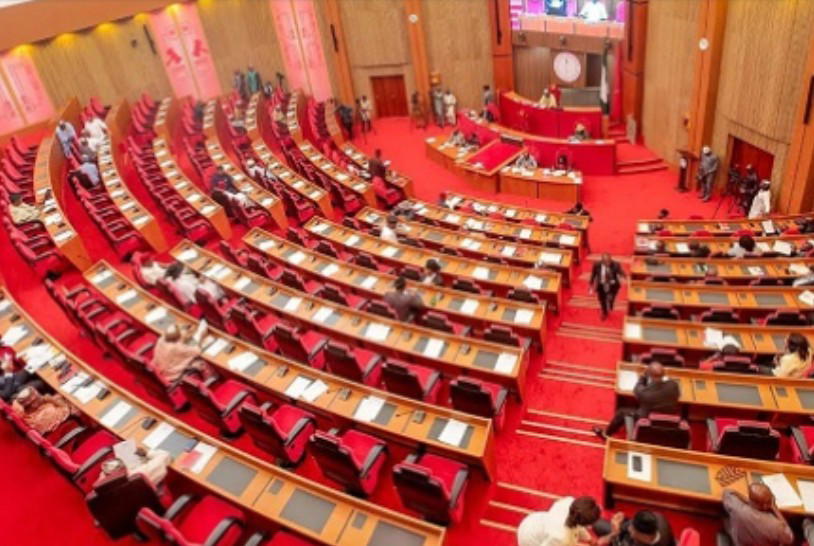
As Nigeria approaches the 2026 general elections, the debate over the consensus option in the electoral law intensifies, with Senate Majority Leader Michael Opeyemi Bamidele emerging as a key defender. This provision, intended to prevent the imposition of candidates, is positioned as a mechanism to foster broader acceptance within constituencies. Bamidele remarked, "The consensus option ensures that the voices of party members are heard, and it reflects the will of the people rather than the whims of a few."
Despite skepticism from some quarters that this approach may undermine electoral competitiveness, proponents argue that it can enhance party unity and reduce the likelihood of divisive primaries. Historically, Nigeria has grappled with factionalism within political parties, leading to conflicts and disenfranchisement among voters. By advocating for consensus, Bamidele hopes to cultivate an environment where candidates are genuinely representative of their communities.
Looking ahead, the effectiveness of the consensus option in the upcoming primaries will be closely scrutinized. Its success could reshape Nigeria's political landscape, potentially ushering in a new era of collaborative governance. However, the challenge remains to balance consensus-building with the democratic imperative of choice.