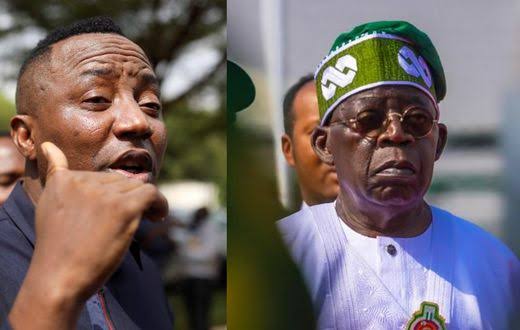
In a significant legal development, a Nigerian court has mandated that activist Omoyele Sowore respond to charges stemming from his social media assertion that President Bola Tinubu is a "criminal." This ruling underscores the ongoing tensions between government authorities and dissenting voices in Nigeria's political landscape. Sowore, a prominent critic of the Tinubu administration, argues that the Department of State Services (DSS) has failed to substantiate its claims against him.
The court's decision follows a pattern of increased scrutiny on individuals expressing dissent in Nigeria, raising concerns about freedom of speech. Sowore's legal team maintains that the allegations are baseless and politically motivated. "This case is a test of our constitutional rights," Sowore stated, highlighting the broader implications of the ruling for civil liberties in the country.
As the case progresses, it may set a precedent for how the government handles criticism and dissent, potentially influencing the political climate ahead of upcoming elections. Observers will be watching closely to see if the judiciary can serve as a bulwark against perceived governmental overreach, or if it will further entrench a culture of fear among opposition voices.