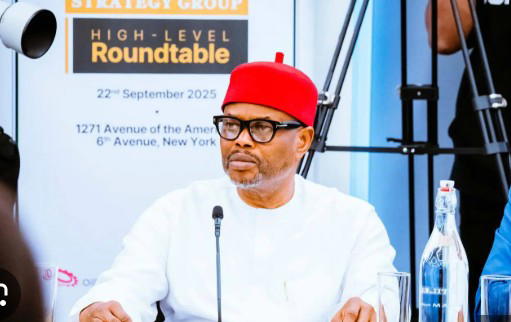
The recent revelations surrounding former Minister of Science, Technology and Innovation Geoffrey Uchechukwu Nnaji have intensified scrutiny on corruption in Nigeria’s political landscape. The Independent Corrupt Practices and Other Related Offences Commission (ICPC) is investigating allegations that Nnaji submitted forged academic certificates to secure his ministerial position. This case highlights ongoing concerns about integrity in public office, particularly as Nigeria prepares for upcoming elections.
The ICPC's investigation stems from a whistleblower's complaint, prompting a deeper probe into Nnaji's qualifications. As part of its findings, the commission stated, “We are committed to ensuring that those who undermine the integrity of public service are held accountable.” This case is emblematic of a broader trend where political leaders face increasing pressure to validate their credentials, particularly amid rising public demand for transparency.
As this case unfolds, it could set a precedent for how allegations of corruption are handled in Nigeria, potentially influencing public sentiment and voter behavior in the lead-up to the elections. The implications for Nnaji's political future and the integrity of Nigeria's governance framework remain significant.