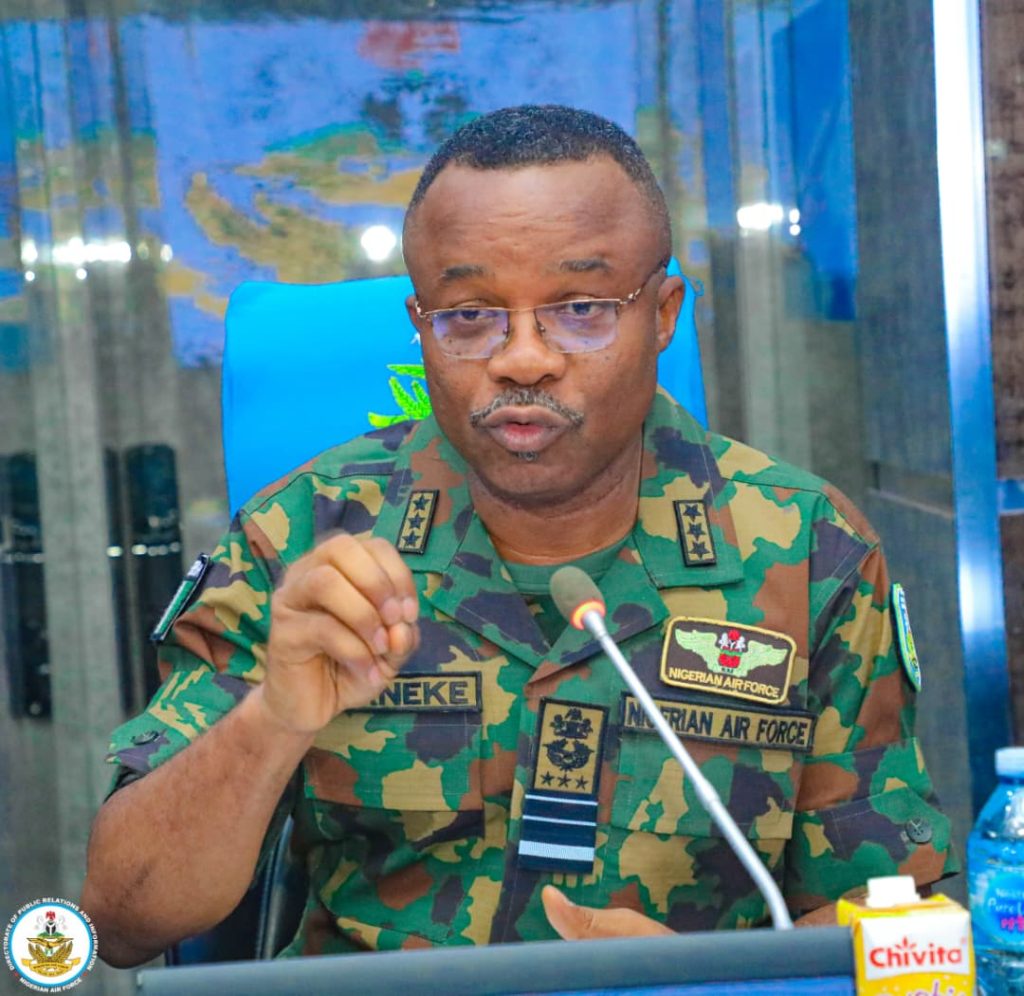
The recent rescue of Borno students highlights the critical role of air dominance and intelligence in countering terrorism in Nigeria. Chief of Air Staff, Air Marshal Oladayo Amao, confirmed that enhanced aerial surveillance significantly disrupted insurgent movements, allowing ground troops to effectively engage fleeing terrorists and secure the victims. This operation underscores the ongoing struggle against Boko Haram and its affiliates, which have plagued the region for years.
The Nigerian military's commitment to utilizing technological advancements in surveillance and air power has proven essential in countering the persistent threats posed by these groups. According to Amao, “Our air superiority has enabled us to respond swiftly and decisively to threats, ensuring the safety of our citizens.” This statement reflects the military's strategic shift towards integrating modern warfare tactics to bolster security.
Looking ahead, continued investment in air capabilities and intelligence-sharing is vital for sustaining pressure on insurgents and preventing future abductions. As the military adapts to evolving threats, the focus must remain on not only immediate responses but also long-term strategies that address the root causes of insecurity in the region.