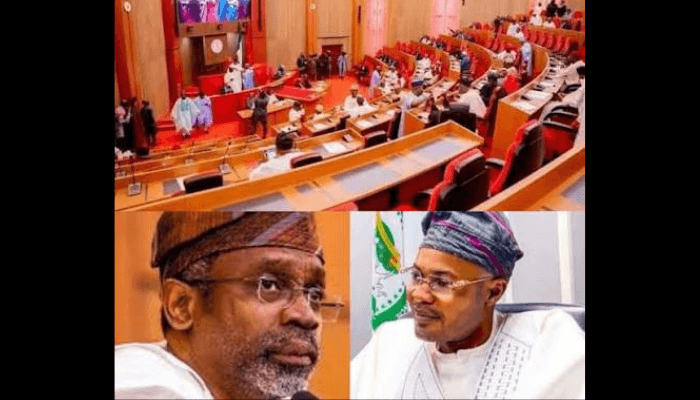
The Nigerian Senate's recent rejection of a motion to investigate the N1.3 billion budget for what critics refer to as a "fake agency" underscores ongoing concerns about transparency and accountability in governance. This marks the second time the Senate has declined to scrutinize the allocation, which was initially flagged for potential misuse of public funds.
The proposed investigation aimed to clarify the legitimacy and operations of the agency in question, but senators cited insufficient evidence and procedural concerns as reasons for their dismissal of the motion. Senator Olufemi Hakeem, chair of the finance committee, stated, “We must prioritize our focus on more pressing national issues rather than chase shadows.” This sentiment reflects a broader trend within the legislature to sidestep contentious inquiries, raising alarms among civil society and watchdog groups.
Looking ahead, the Senate's decision may embolden calls for greater oversight and could lead to increased public pressure on lawmakers to prioritize fiscal responsibility. As scrutiny of government expenditures intensifies, the potential for reform and accountability remains a critical issue for Nigeria's democratic institutions.