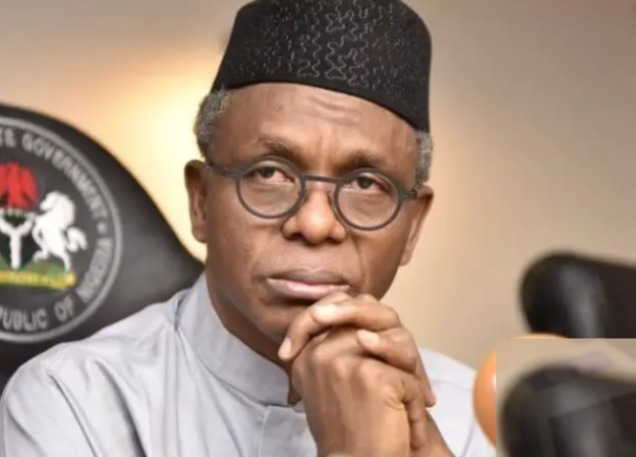
The clash between the African Democratic Congress (ADC) and the Independent Corrupt Practices and Other Related Offences Commission (ICPC) over former Kaduna State governor Mallam Nasir El-Rufai's hospital visit underscores the growing tensions within Nigeria's political landscape. El-Rufai, currently detained on corruption charges, was reportedly taken to a hospital amid concerns regarding his health conditions while in custody, prompting the ADC to criticize the ICPC's handling of his case.
ADC spokesperson, Dr. Eze Nwachukwu, voiced strong objections, stating, "The treatment of El-Rufai reveals a troubling double standard in how political figures are treated compared to ordinary citizens." This statement reflects broader concerns about accountability and fairness in Nigeria's justice system, particularly regarding influential politicians.
As allegations and counter-allegations continue to emerge, the implications for Nigeria's political stability are significant. The ADC's defense of El-Rufai may resonate with his supporters, while the ICPC's actions could be perceived as a crucial test of its integrity. Moving forward, the outcome of this confrontation could shape public trust in Nigeria's institutions and influence the political narratives leading into upcoming elections.