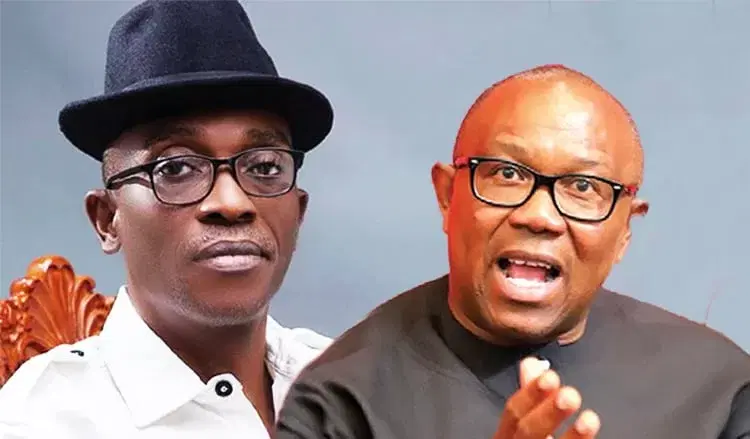
The Labour Party's internal strife has resurfaced as a focal point in analyzing its 2023 presidential election defeat. The party's leadership, under Julius Abure, faces allegations of mismanagement and sabotage that reportedly undermined its electoral campaign. During a recent press conference in Abuja, the National Publicity Secretary of the party, Mike Omeri, stated, "Abure's leadership was marked by poor planning and lack of direction, which ultimately cost us the victory we could have achieved."
The Labour Party's struggles reflect deeper issues within Nigeria's political landscape, where internal divisions can significantly influence electoral outcomes. Abure's tenure has been criticized not only for organizational failures but also for failing to effectively leverage the party's grassroots support, which had shown promise in the run-up to the elections. The fallout from these allegations may prompt a reevaluation of leadership and strategy within the party as it prepares for future contests.
Looking ahead, the Labour Party must address these internal challenges to regain credibility and support among voters. Without a united front and a clear plan, similar pitfalls could jeopardize its aspirations in upcoming elections.