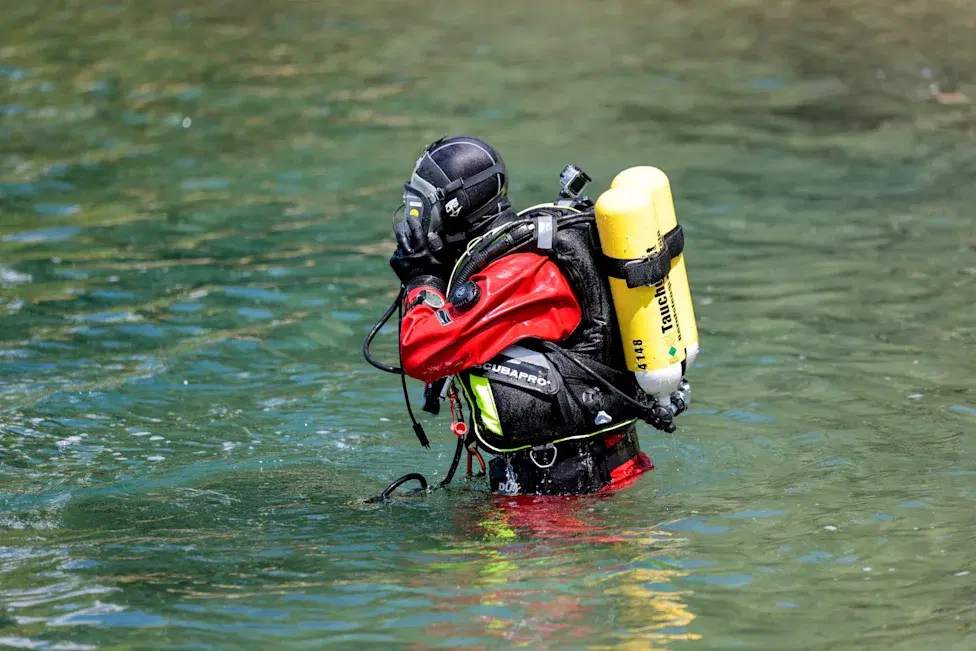
Germany's recent heatwave, which saw temperatures soar to a staggering 41.7°C, has not only shattered records but also led to tragic consequences, with 99 people reported drowned in June. The extreme weather, characterized by prolonged high temperatures and limited rainfall, has exacerbated risks associated with water activities, as individuals sought relief in lakes and rivers.
Authorities have issued warnings emphasizing the dangers posed by such conditions. "This heatwave is unprecedented, and we are urging the public to exercise caution near water," stated Klaus Müller, head of the German Weather Service. The spike in temperature has also raised concerns about climate change, as extreme weather events become more frequent across Europe.
As the nation grapples with the aftermath of this disaster, the focus now shifts to enhancing public safety measures and improving climate resilience. With experts predicting that such heatwaves will become more common, Germany must adapt its infrastructure and emergency response systems to better protect its citizens from future climate-related crises. The implications extend beyond immediate responses, urging a reevaluation of environmental policies to mitigate further climate impacts.