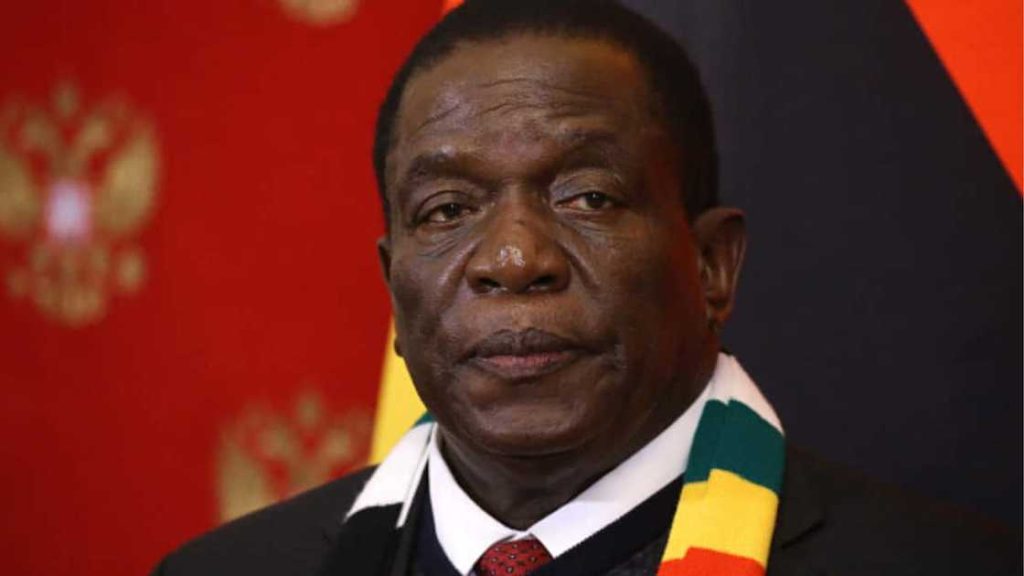
Zimbabwe's Senate has approved controversial constitutional amendments that will extend President Emmerson Mnangagwa's term until 2030, solidifying his grip on power amid widespread criticism. At 83 years old, Mnangagwa's administration has faced growing discontent over economic mismanagement, human rights abuses, and allegations of electoral fraud. The amendments received overwhelming support, following a similar vote in the lower house, signaling a united front among ruling party lawmakers.
Critics argue that these changes undermine democracy and perpetuate authoritarian rule. "This is a clear attempt to silence dissent and entrench power," said Tendai Biti, former finance minister and opposition leader. The situation raises flags about the future of political pluralism in Zimbabwe, as opposition voices continue to be marginalized.
As the nation grapples with economic challenges and social unrest, the implications of this extension are profound. With Mnangagwa's administration showing no signs of compromise or reform, the potential for intensified protests and further political instability looms large. Observers will be watching closely as the country approaches the next election cycle, where the consequences of this extension may become increasingly evident.