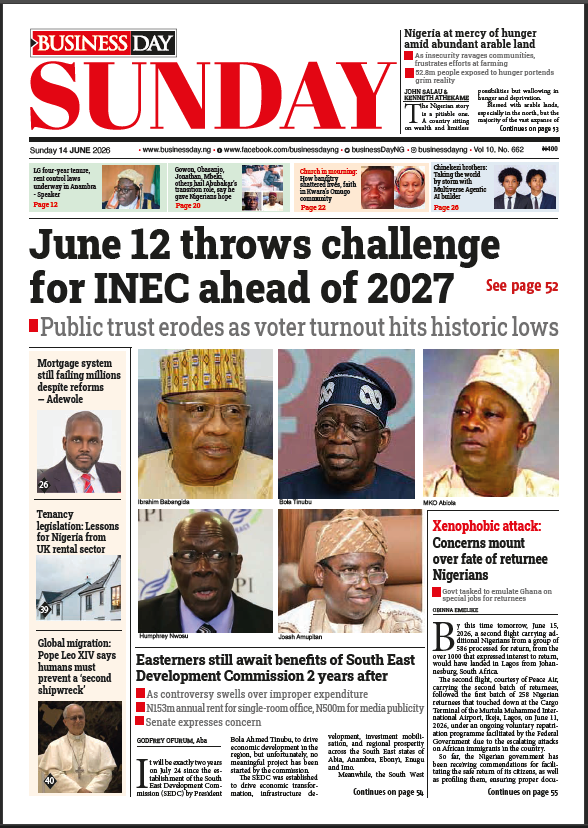
As Nigeria celebrates 27 years of uninterrupted civilian rule, the nation's democratic aspirations remain largely unfulfilled. While the transition from military to civilian governance in 1999 was a pivotal moment, the persistence of corruption, insecurity, and economic instability underscores the fragility of its democracy. Key developments, such as the recent elections marred by violence and allegations of rigging, highlight the ongoing challenges faced by the electoral process.
Davidson Iriekpen notes the frustrations of citizens, reflecting on the deep-seated issues: "Despite the years of democracy, the political class continues to betray the trust of the electorate." This sentiment resonates across various strata of society, where disillusionment with governance is palpable. The incessant strikes by labor unions and protests against rising living costs further illustrate the disconnect between the government and the populace.
Looking ahead, Nigeria's future hinges on meaningful reforms that address systemic issues and promote accountability. The need for a vibrant civil society and an engaged citizenry has never been more critical, as the nation seeks to reclaim the promise of democracy and foster a political environment conducive to growth and stability.