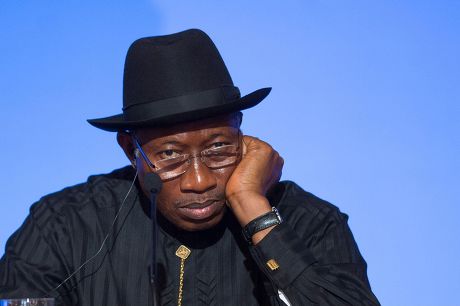
Former President Goodluck Jonathan's bid to contest the 2027 presidential elections faces a significant challenge as he seeks to dismiss a lawsuit questioning his eligibility. Central to the case are Sections 1 and 137(3) of the Nigerian Constitution, which stipulate that a person can only serve as president for a maximum of two terms. Jonathan, who served two terms from 2010 to 2015, asserts that he has not exceeded this limit due to his unique political circumstances.
Jonathan's legal team argues that the suit is politically motivated, aiming to undermine his candidacy. "This lawsuit is an attempt to silence the voice of the people who want to see Jonathan return to leadership," said spokesperson Sarah Adeyemi. The former president's supporters maintain that his experience and vision are needed in Nigeria's current political landscape.
As the court deliberates, the outcome may set a precedent for future presidential candidates and shape the nation's electoral landscape. With the political climate growing increasingly contentious, the implications of this case extend beyond Jonathan, potentially influencing voter sentiment and party dynamics in the lead-up to the 2027 elections.
