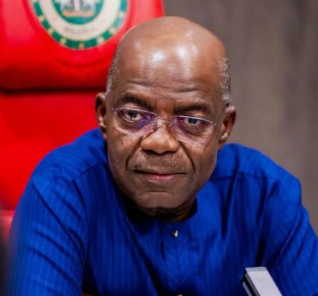
As Nigeria approaches the 2027 elections, discussions around potential coalitions are intensifying, particularly between the National Democratic Coalition (NDC) and Atiku Abubakar's Alternative Democratic Coalition (ADC). Despite a recent court ruling that nullified the NDC's registration, party officials, including NDC spokesperson Seriake Dickson, assert they remain active and viable. "We are not deregistered; our strength lies in our grassroots support," Dickson emphasized, highlighting the party's resilience and commitment to contesting in the upcoming elections.
The NDC's situation reflects broader electoral dynamics in Nigeria, where political alignments are often fluid. As parties recalibrate strategies in light of recent judgments and public sentiment, the prospect of collaboration with the ADC may provide a pathway to consolidate opposition against the ruling party. With Atiku Abubakar's experience and the NDC's local reach, such a coalition could significantly alter the political landscape.
Looking ahead, the success of any coalition will depend on how effectively these parties can unify their platforms and engage with voters disillusioned by past leadership. The evolving dialogue sets the stage for a potentially transformative electoral cycle.