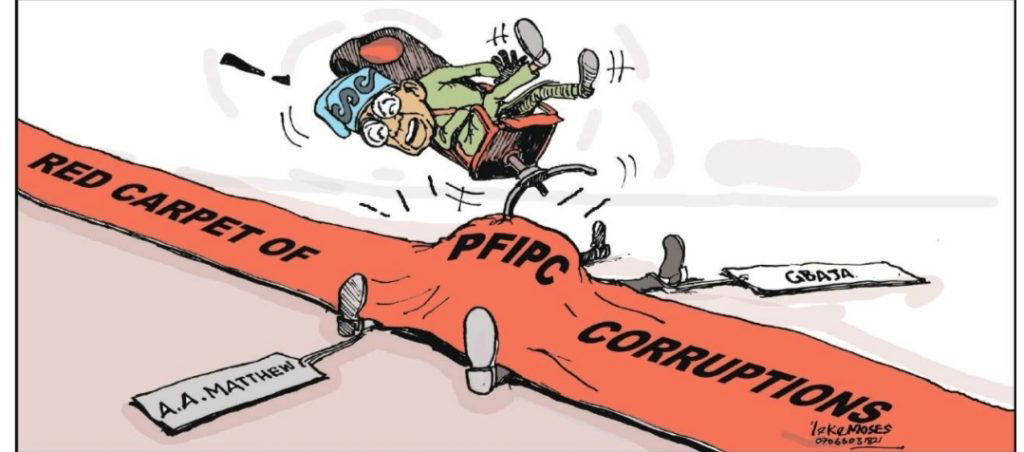
As Nigeria approaches the 2027 elections, the debate surrounding activists transitioning into political roles intensifies. Segun Awosanya, widely known as Segalink, a prominent reform advocate, has voiced skepticism about the potential impact of such individuals in political office. He argues that once activists enter the political arena, they often compromise the very principles that fueled their initial advocacy, leading to a loss of moral authority.
Awosanya emphasized, "Activists seeking political positions frequently find themselves entangled in the same systems they once opposed, rendering them ineffective as agents of change." This sentiment reflects a broader concern among citizens regarding the integrity and effectiveness of political leadership. Many fear that the ideals of activism may be diluted by the compromises required in governance.
As the nation gears up for the elections, this discourse raises critical questions about the role of genuine reformers in a political landscape often marred by corruption and inefficiency. The challenge ahead is for activists to navigate this transition without sacrificing their core beliefs, as their ability to inspire change will be crucial in shaping Nigeria's future.