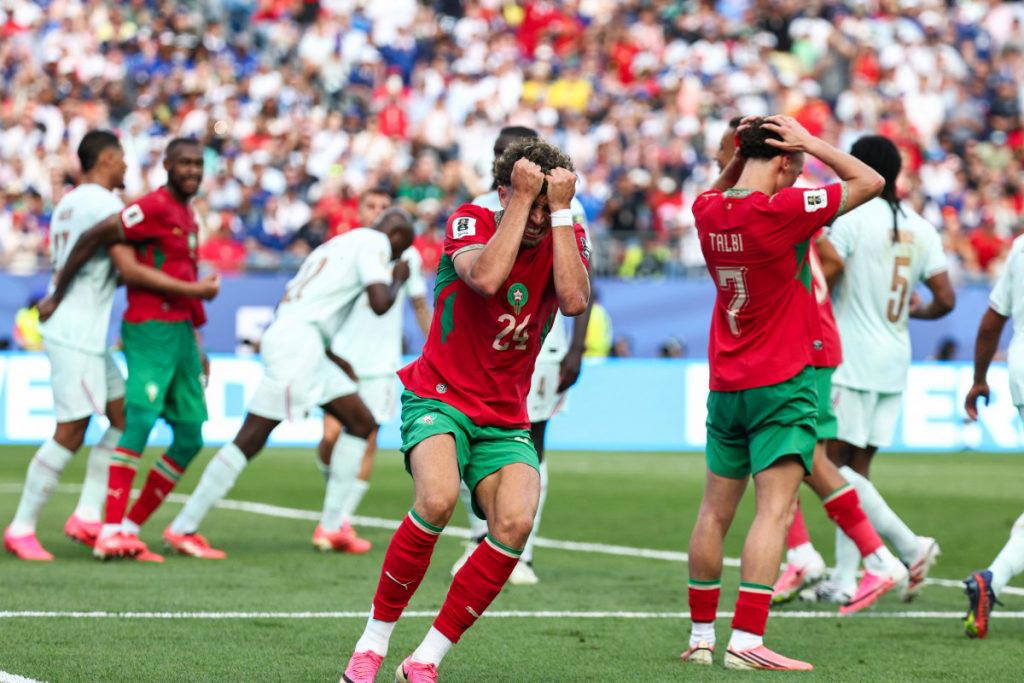
The 2026 FIFA World Cup has underscored both the potential and shortcomings of African football, as the continent's nine automatic spots failed to translate into a competitive presence on the global stage. Despite heightened expectations following the expansion of the tournament, African teams struggled to make a significant impact, with early exits becoming the defining narrative of their participation.
Key developments saw teams like Nigeria and Ghana falter in crucial matches, revealing gaps in preparation and strategy that hindered their performance. "We need to invest more in grassroots development and coaching to truly compete at this level," lamented Amaju Pinnick, President of the Nigeria Football Federation. This sentiment reflects a growing concern among stakeholders about the future of football on the continent.
Looking ahead, the challenge remains for African nations to harness their immense talent and resources effectively. With a focus on youth development and infrastructure, there is potential for a brighter future in football. However, the 2026 World Cup has served as a stark reminder that participation alone is not enough; excellence requires a concerted effort from all levels of the sport.