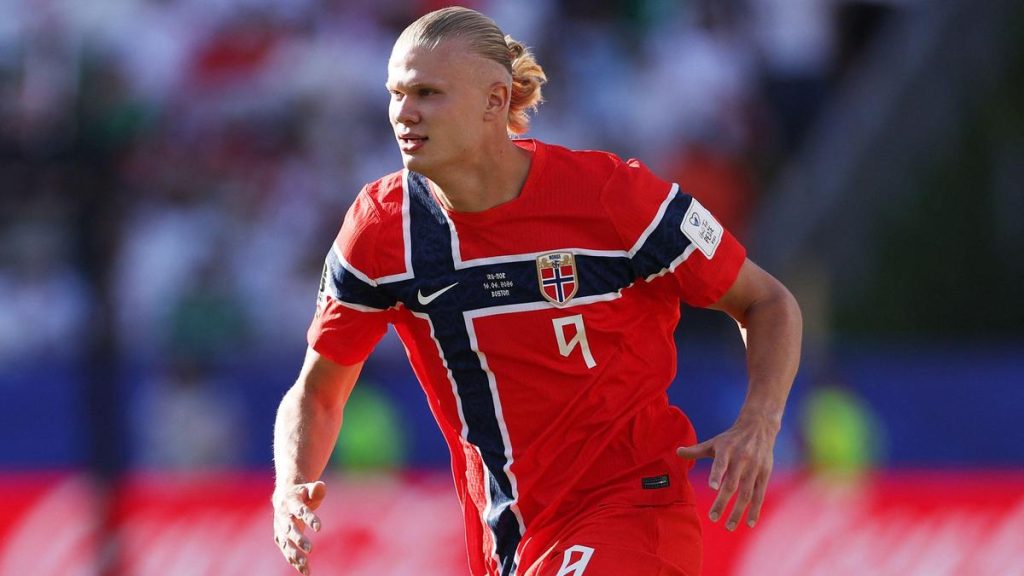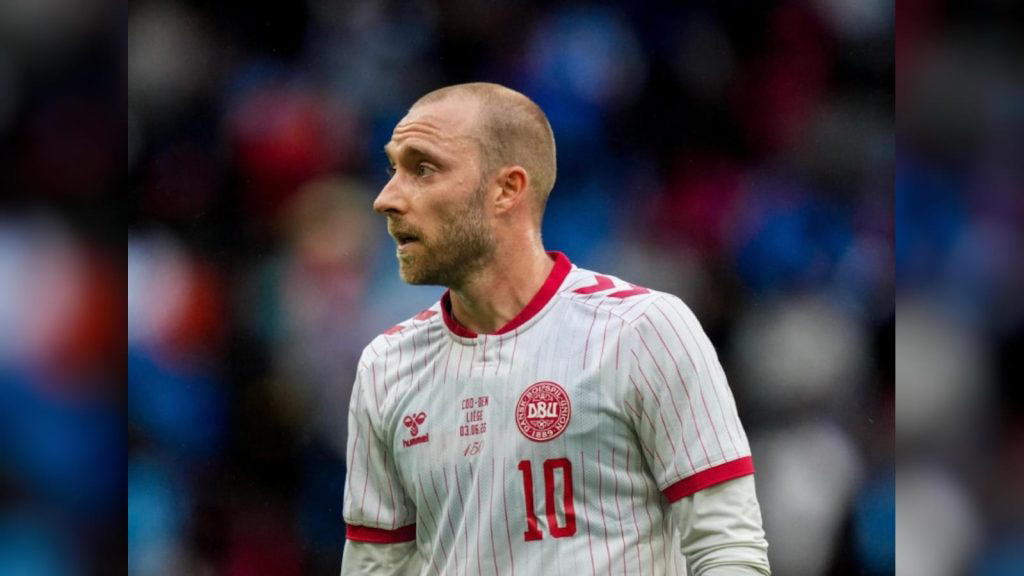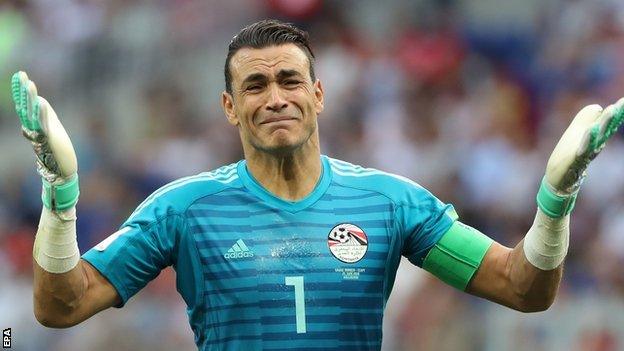
The enduring presence of veteran goalkeepers at the FIFA World Cup underscores a remarkable trend in football: longevity in a position often deemed physically demanding. As the sport evolves, the ten oldest goalkeepers to grace the tournament exemplify how experience can be a game-changer, allowing athletes to perform at elite levels well into their late 30s and even 40s.
Recent examples include iconic figures like Gianluigi Buffon and Peter Shilton, who not only held the fort for their teams but also provided invaluable mentorship to younger players. According to former goalkeeper and football analyst Tim Howard, “The mental acuity and tactical awareness that come with age can often outweigh the physical decline.” This insight reflects the growing appreciation for seasoned players who can read the game and anticipate threats.
Looking ahead, as football continues to prioritize athleticism and skill, the role of older goalkeepers will likely expand. Teams may increasingly invest in seasoned custodians, recognizing that their wealth of experience may be crucial in high-stakes matches. As the next World Cup approaches, the narrative of age and skill in football is set to evolve further, challenging conventional notions of retirement in sports.