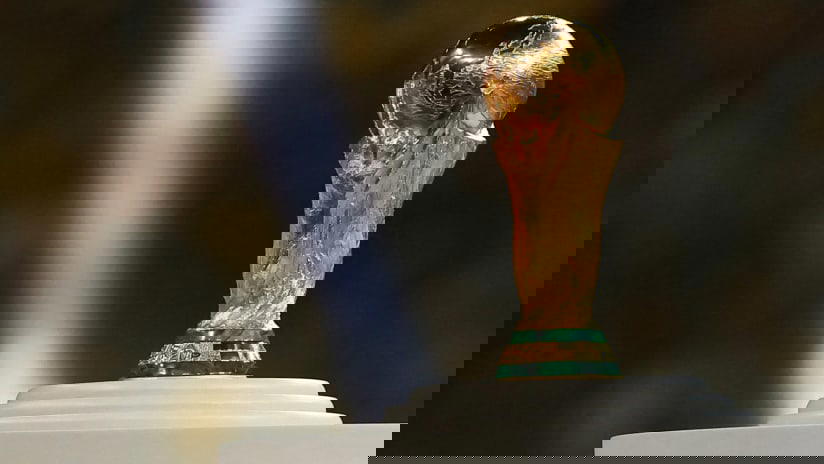
The FIFA World Cup 2026 is poised to be a landmark event, not only for its global sporting significance but also for the immense financial stakes involved. As the tournament approaches, the spotlight shines on the ten highest-paid players, whose earnings underscore the commercial frenzy surrounding modern football. Star athletes like Lionel Messi and Neymar are expected to command attention both on and off the field, reflecting their substantial endorsements and salaries.
According to FIFA president Gianni Infantino, "The World Cup is not just about football; it's an economic powerhouse that transcends the sport." This financial muscle is indicative of football's evolution into a multi-billion-dollar industry, driven by lucrative broadcasting rights, sponsorships, and merchandise sales. As these players take the stage in North America, their presence will amplify discussions around player compensation, marketability, and the sport’s global reach.
Looking ahead, the 2026 World Cup may redefine the financial landscape of football, influencing how clubs and players negotiate contracts in the future. The combination of elite talent and financial clout will undoubtedly leave a lasting impact on the sport and its stakeholders.
