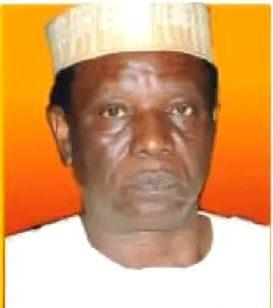
The candidacies of three district heads from Katsina, including prominent figure Yusuf Buhari, mark a significant moment in Nigeria's evolving political landscape as they prepare for the 2027 National Assembly elections. This blending of traditional leadership with modern political ambition underscores a shift in how local governance is perceived in the context of national politics.
Traditionally, district heads have held a revered status, often seen as custodians of culture and community values. However, as Nigeria navigates complex political challenges, these leaders are stepping into roles that merge their cultural authority with legislative responsibilities. Yusuf Buhari noted, "It's time for traditional leaders to represent our people's interests at the national level," emphasizing the necessity of bridging cultural heritage with political representation.
The move reflects a growing trend where established customs intersect with the demands of political participation, potentially reshaping voter expectations. As the 2027 elections approach, the implications of this shift could redefine not only the local governance structure but also the dynamics of political engagement in Nigeria, raising questions about the future role of traditional leaders in a rapidly changing society.