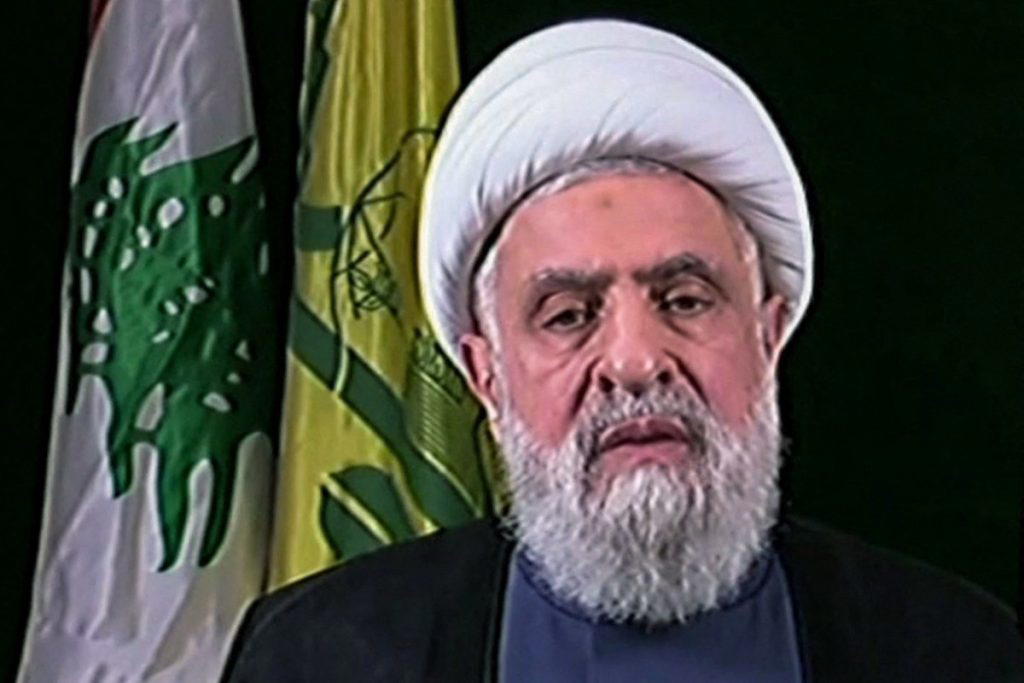
In a significant diplomatic moment, Lebanon and Israel's U.S. ambassadors held their first meetings in decades, signaling potential shifts in a historically fraught relationship. However, Hezbollah leader Hassan Nasrallah has firmly rejected the prospect of direct negotiations, underscoring the complexities that still linger in the region. He stated, “We will not accept any dialogue with Israel under the current circumstances,” highlighting Hezbollah’s longstanding opposition to normalization with Israel.
These meetings, facilitated by the U.S., aimed to address security concerns and explore avenues for peace, amid rising tensions along the Lebanon-Israel border. The backdrop includes a volatile regional landscape, with Hezbollah's influence in Lebanon and the ongoing Israeli-Palestinian conflict complicating any potential agreements. Nasrallah's dismissal of talks reflects the persistent ideological and political divides that challenge diplomatic efforts.
Looking ahead, the rejection by Hezbollah suggests that while diplomatic dialogues may continue at the ambassadorial level, substantive progress will likely remain elusive without addressing the broader regional tensions and internal Lebanese political dynamics. As international observers monitor these developments, the question remains: can any breakthrough emerge from this complex web of historical grievances?

