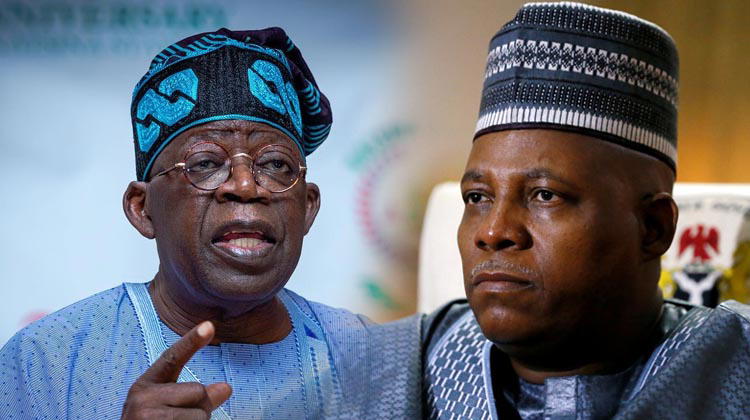
As Nigeria approaches its critical elections amid an affordability crisis, the stakes are higher than ever. With inflation soaring and basic commodities increasingly out of reach, voters are grappling with a dual reality of hunger and hope. Historically, economic hardship has influenced electoral participation; this year, the pattern appears to be repeating itself. Lines at polling stations may reflect both desperation and determination, as citizens weigh their options in a system that often feels unresponsive to their needs.
Political leaders are scrambling to address these issues, yet many citizens remain skeptical. "People are tired of promises that never materialize," says Amina Ibrahim, a community organizer in Lagos. "We need a government that understands our struggles." This sentiment resonates widely, underscoring a critical disconnect between voters and those vying for their support.
As the election date nears, the ability of political parties to connect with the electorate on economic concerns will likely shape the outcome. The question remains whether this deepening crisis will galvanize voters or lead to widespread apathy, ultimately determining the future of governance in Nigeria.